

 See My Latest Article on HelloNation
A deck can look weathered without being structurally unsafe, while a deck that appears attractive may still have serious problems at its connections, posts, or ledger. For homeowners in Knoxville, TN, the right choice depends less on age alone and more on the condition of the framing, water exposure, fasteners, and foundation.
What is the difference between repairing, re-decking, and rebuilding?
Repairing means correcting isolated problems while keeping most of the existing deck structure. This may include replacing a few boards, tightening or replacing fasteners, correcting loose railings, or reinforcing a damaged connection.
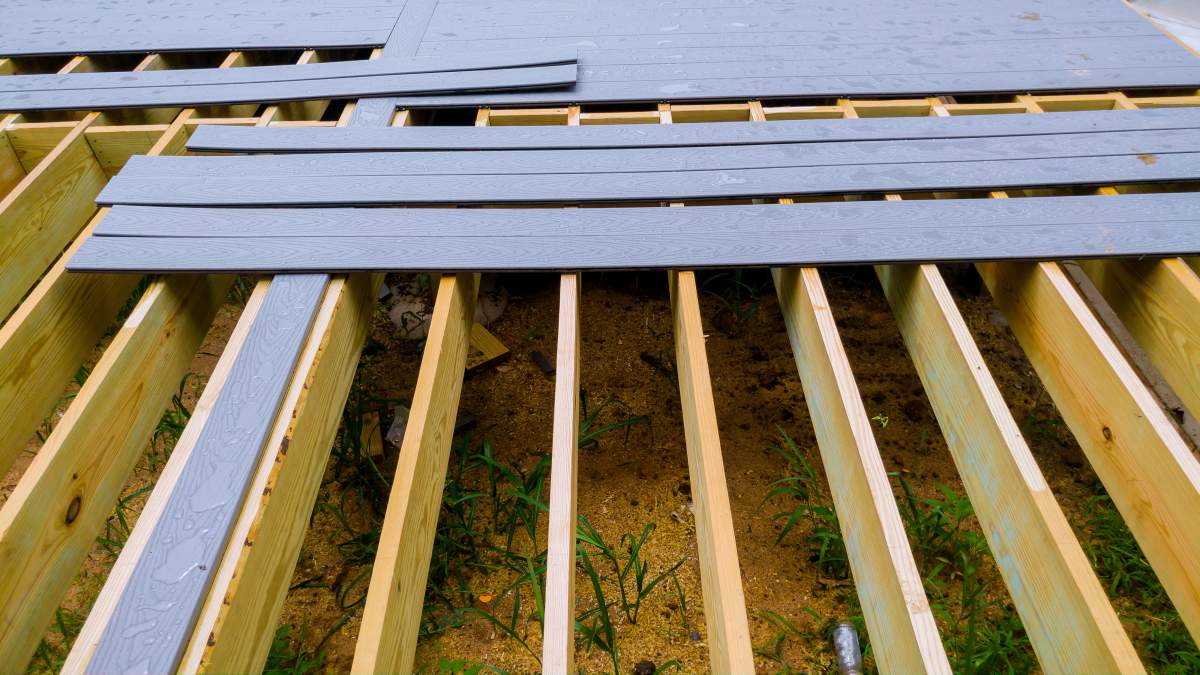
Re-decking means replacing the walking surface, and sometimes the railings or stairs, while retaining the existing support structure. Re-decking only makes sense when the joists, beams, posts, ledger, footings, and framing connections remain sound.
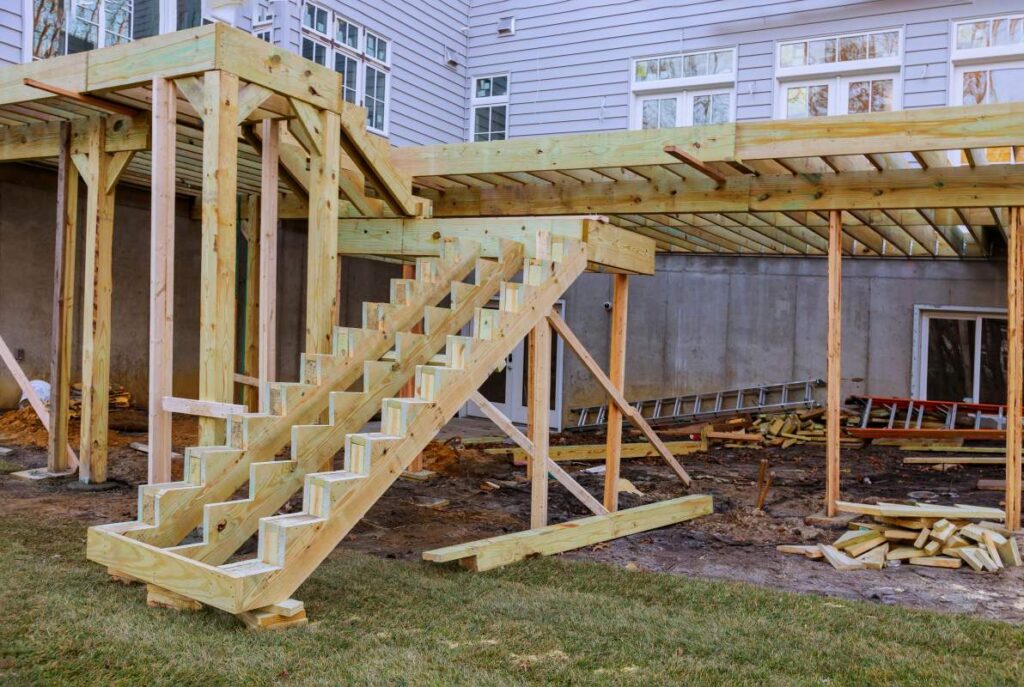
Rebuilding means removing and replacing much or all of the deck, including structural framing. A rebuild is usually necessary when damage is widespread, the layout no longer works, the framing was poorly built, or the deck cannot be brought into safe condition through limited repairs.
The key question is not, “How old is the deck?” It is, “Which parts are still reliable, and which parts have reached the end of their service life?”
When is a repair usually enough?
A repair is often appropriate when the damage is localized and the underlying structure is healthy. Examples include:
- A small number of cracked or rotten decking boards
- Loose railing components with otherwise solid posts and connections
- Missing or corroded fasteners in limited areas
- A stair tread that needs replacement
- Minor surface splitting, discoloration, or peeling finish
- A single damaged joist end that can be properly reinforced or replaced
A repair should address the cause of the damage, not only its appearance. For example, replacing a soft board without correcting standing water or poor ventilation may allow the same problem to return.
In Knoxville, repeated wet weather, humid summers, leaf buildup, and shaded conditions can keep deck materials damp for long periods. Boards close to the ground, areas beneath roof runoff, and locations near dense landscaping often deteriorate faster than exposed portions of the deck.
A repair becomes less attractive when several separate areas need attention at the same time. Replacing boards, stairs, railings, and scattered framing members may eventually cost nearly as much as a more complete project while leaving older components in place.
When does re-decking make sense?
Re-decking is reasonable when the surface has failed but the frame has not. The deck may have widespread splitting, fading, staining, or soft boards while the joists and beams remain straight, dry, properly supported, and securely connected.
Before re-decking, the framing should be examined carefully rather than assumed to be usable. Important areas include:
- Joist tops beneath the existing decking
- Beam-to-post connections
- Post bases and areas where wood meets soil or concrete
- The ledger connection at the house
- Joist hangers and other metal connectors
- Stair stringers and their connections
- Footings that may have shifted, cracked, or settled
A common misconception is that new decking automatically renews the entire deck. It does not. New boards can improve appearance and walking comfort, but they do not correct undersized framing, unstable footings, unsafe railings, or a poorly attached ledger.
Re-decking is also less suitable when the existing joist spacing does not support the desired replacement material. Some decking products require closer framing or additional blocking. A surface replacement may therefore involve structural modifications even if the original frame appears serviceable.
What signs indicate that rebuilding is safer?
Rebuilding is generally the more appropriate option when structural deterioration is widespread, difficult to isolate, or connected to the deck’s original design. Warning signs include:
- Posts that are soft, split, leaning, or visibly deteriorated at their bases
- Beams with significant decay, sagging, or separation
- Joists that are extensively rotted or badly warped
- A ledger that is pulling away from the house
- Widespread movement when people walk across the deck
- Stairs that shift, sway, or lack dependable support
- Railings that cannot be firmly secured
- Footings that have settled or no longer support the structure evenly
- Repeated repairs in the same locations
- Water damage affecting several components rather than one isolated board
A deck that moves noticeably under normal use deserves prompt attention. Some movement may result from loose decking, but sway or bouncing in the framing can indicate problems with posts, beams, lateral bracing, footings, or connections.
The ledger deserves special attention because it connects the deck to the house. Water intrusion, inadequate flashing, improper fasteners, or long-term movement at this connection can create serious structural risk. Surface repairs cannot solve a ledger problem.
How does age affect the decision?
Age is useful as a clue but not as a final answer. A well-maintained deck with good drainage may remain serviceable longer than a newer deck exposed to constant moisture or built with vulnerable connections.
Older decks may also reflect construction practices that no longer meet current expectations for flashing, railing strength, stair geometry, or connection hardware. Even if the wood is not visibly rotten, the structure may need significant upgrades to perform safely.
A practical evaluation separates the deck into four systems:
1. Walking surfaces: decking boards, stairs, and trim
2. Guard and access features: railings, handrails, gates, and stair guards
3. Structural framing: joists, beams, posts, bracing, and connections
4. Support and attachment: footings, post bases, ledger, flashing, and house connection
If only the first system is failing, re-decking may be practical. If the third or fourth systems are compromised, rebuilding becomes more likely.
What should homeowners inspect before deciding?
A careful inspection should happen during dry conditions and should include areas that are easy to overlook. Look for soft wood by pressing questionable areas with a screwdriver, but avoid treating this as a complete structural assessment.
Pay close attention to:
- Darkened or persistently damp wood
- Small holes or insect activity
- Rusted, missing, or loose fasteners
- Gaps where framing members should meet
- Cracks around bolts and post connections
- Water collecting on the deck or beneath it
- Soil, mulch, or vegetation touching structural wood
- Rot hidden beneath decking boards or stair treads
Do not rely on paint or stain to judge condition. Coatings can conceal cracking and decay, especially around end cuts, joints, and areas that dry slowly.
If the deck has a failing ledger, unstable posts, severe sway, collapsing stairs, or railing components that cannot resist normal pressure, keeping people off the deck until the hazard is evaluated is the prudent choice. Structural defects and electrical components, such as outdoor lighting, should not be treated as routine cosmetic repairs.
Can a deck be partly rebuilt?
Yes, but partial rebuilding works best when the repair boundary is clear. For example, a deck may retain sound beams and footings while receiving new joists, decking, stairs, and railings. In another case, the outer portion may be removed because water damage is concentrated near one edge.
The challenge is making sure old and new components work together. A partial rebuild should account for load paths, connection strength, drainage, stair support, railing attachment, and movement between older and newer materials.
A patchwork approach becomes risky when damaged areas are interconnected or when the original framing is difficult to verify. Several isolated fixes may leave hidden weaknesses between repaired sections.
What is the most practical decision rule?
Use this general guide:
- Repair when damage is limited, visible, and unrelated to the main structure.
- Re-deck when the surface has failed but the framing, supports, and connections are sound.
- Rebuild when structural damage is widespread, the deck moves, the ledger or footings are compromised, or repeated repairs no longer provide a dependable result.
The safest decision is based on the condition of the supporting structure rather than the appearance of the top boards. For households in Knoxville, regular checks after wet seasons, severe storms, and winter freeze-thaw cycles can help identify drainage, movement, and connection problems before they become more extensive.